Petra Bennett · 15 September 2026
Insights into Custom Tagging Systems for Improved Content Discoverability in Niche Online Communities
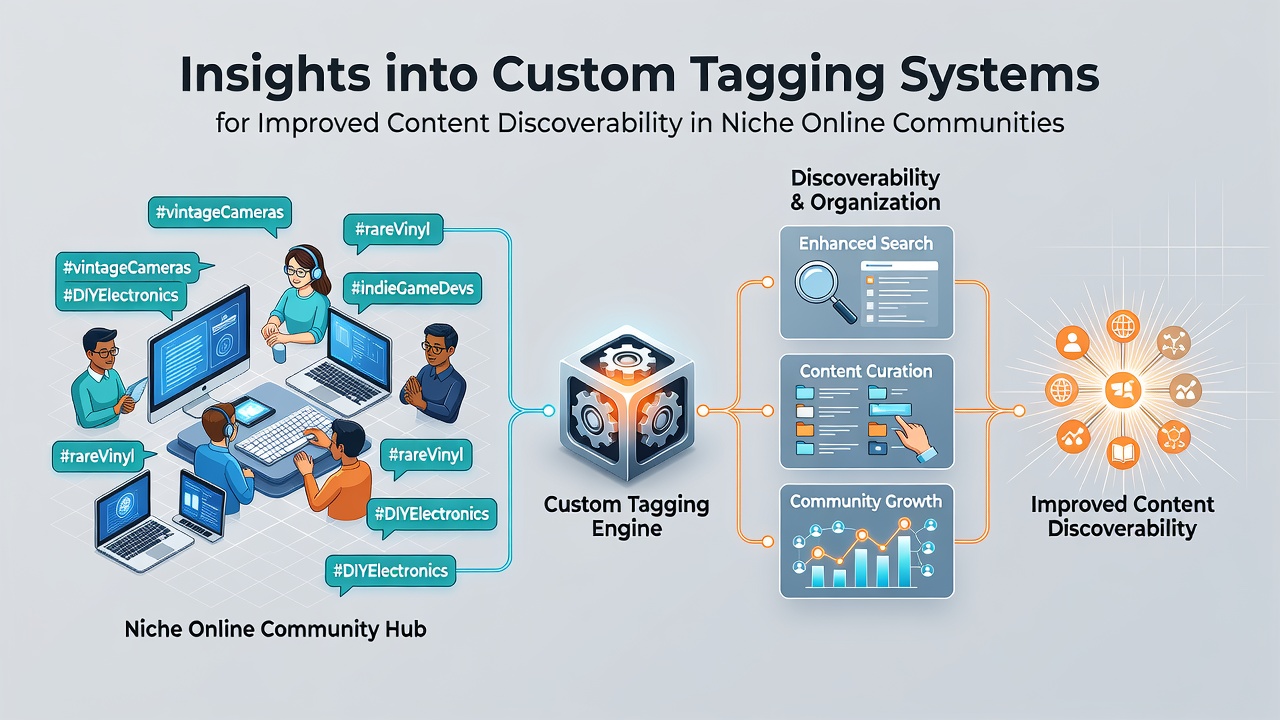
Custom tagging systems have become central to how niche online communities organize and surface content, and these setups allow members to categorize posts, resources, and discussions with precision that standard search functions rarely match. Observers note that participants in specialized groups, ranging from vintage car restoration forums to rare disease support networks, create and apply tags that reflect their unique vocabularies and priorities. This practice connects related materials across threads while helping users locate obscure information without sifting through unrelated results.
Mechanics of Custom Tagging in Practice
Tags in these environments typically emerge from community input rather than top-down rules, and contributors suggest labels that capture nuances such as material type, skill level, or geographic relevance. Platform administrators then refine these suggestions into controlled vocabularies that prevent duplication and maintain consistency across the site. Data shows that communities adopting this collaborative method experience measurable improvements in navigation efficiency, since members encounter fewer dead ends when exploring archives or recent additions.
Implementation often involves simple database fields that store tag strings alongside content entries, while front-end interfaces display clickable tag clouds or filtered lists. Researchers have documented cases where communities integrated these systems with existing search tools, allowing Boolean combinations of tags to narrow results further. One study revealed that such layering reduced average time spent locating specific resources by nearly half in hobbyist groups focused on model railroading and amateur astronomy.
Discoverability Gains Across Different Niches
Niche communities benefit when tags highlight content attributes that generic keywords overlook, and this targeted approach surfaces older posts that might otherwise remain buried. Participants in professional networks, for instance, apply tags denoting regulatory updates or regional case studies, enabling quick retrieval during time-sensitive discussions. Figures from industry reports indicate that platforms incorporating user-defined tags see higher retention rates, because members return more frequently when they can reliably find what they need.
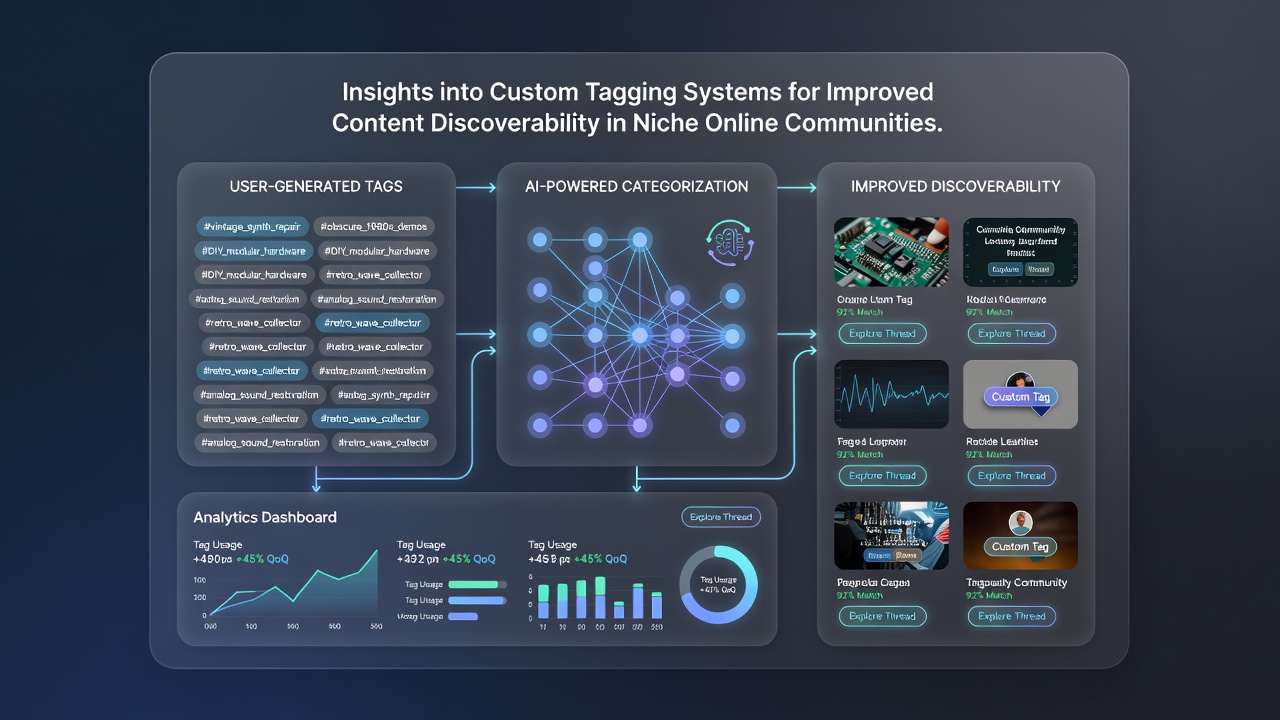
What's interesting is how these systems scale with community growth, since new members inherit an established tag set yet can propose additions as topics evolve. Academic analyses of European digital forums have shown that moderated tag approval processes keep the system coherent without stifling creativity. According to a Pew Research Center analysis of online group dynamics, communities that maintain active tag governance report stronger senses of shared ownership among users.
Integration with Broader Platform Features
Many niche sites now link custom tags to notification systems and recommendation engines, so members receive alerts when new content receives relevant labels. This connection extends discoverability beyond manual searches and into passive browsing experiences. Observers note that integration with external APIs further enriches tags by pulling in metadata from related databases, such as linking a photography community tag for lens types with manufacturer specifications.
Challenges arise when tag proliferation creates overlap or ambiguity, yet communities address this through periodic audits and consolidation efforts. Australian internet usage studies have tracked how regional groups standardize tags across multiple language variants to accommodate international contributors. Those who've examined these patterns find that clear documentation and visible tag hierarchies reduce confusion during onboarding for newcomers.
Trends Emerging Toward September 2026
By September 2026, several platforms serving niche communities plan expansions of tagging capabilities to include semantic analysis that suggests related tags automatically. Research indicates these enhancements will build on existing community practices rather than replace them, preserving the human element that makes custom systems effective. Government reports from Statistics Canada highlight increasing demand for accessible tagging tools among smaller online groups that lack dedicated development resources.
Additional developments include cross-community tag sharing agreements, allowing aligned groups to reference each other's vocabularies without merging entire databases. This approach supports discoverability across adjacent interests while respecting each community's autonomy. Data from academic consortia shows early adopters already reporting improved cross-pollination of ideas between once-isolated forums.
Conclusion
Custom tagging systems continue to evolve as essential infrastructure for niche online communities seeking better content discoverability. The combination of community-driven creation, platform integration, and ongoing refinement produces measurable gains in navigation speed and content reuse. As these tools advance through 2026 and beyond, their core value remains rooted in reflecting the specific language and needs of each group they serve.