Sage Ludwig · 29 September 2026
Navigating Color Psychology in Digital Branding Through Boldlilac's Platform Features
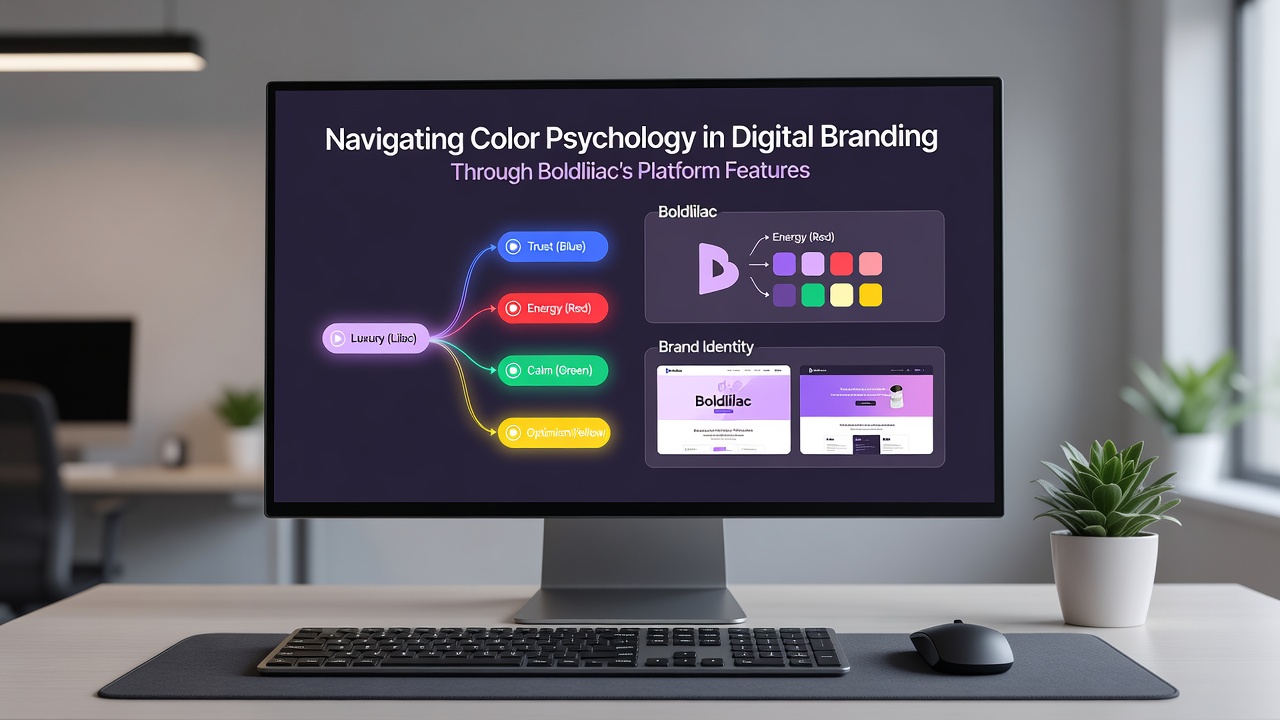
Color psychology plays a central role in how brands connect with audiences across digital platforms, and data from multiple studies shows that specific hues trigger measurable responses in consumer behavior. Researchers at institutions in North America and Europe have documented how warm tones like red increase perceived urgency while cooler shades such as blue promote trust, and these patterns hold across e-commerce sites, social media campaigns, and mobile applications. Boldlilac's platform integrates these findings into practical tools that let teams apply evidence-based color selections without manual cross-referencing of academic papers.
Core Mechanisms Behind Color Responses in Digital Contexts
Studies indicate that cultural and contextual factors shape color associations, yet consistent patterns emerge when large datasets from user interactions are analyzed. For instance, green often signals sustainability in product pages, and analytics from various industry reports confirm higher engagement rates when this association aligns with brand messaging. Observers note that platforms like Boldlilac pull from aggregated research to generate recommendations, allowing users to test variations against performance metrics rather than relying on intuition alone.
Platform algorithms draw on findings from sources including university labs in Australia and Canada, where experiments tracked eye movement and click patterns in response to different palettes. These integrations help teams adjust colors for regional audiences, since evidence suggests variations in preference across geographic areas. Boldlilac users access filters that reference such data points, streamlining the process of matching visual elements to target demographics.
Boldlilac Tools for Palette Generation and Testing
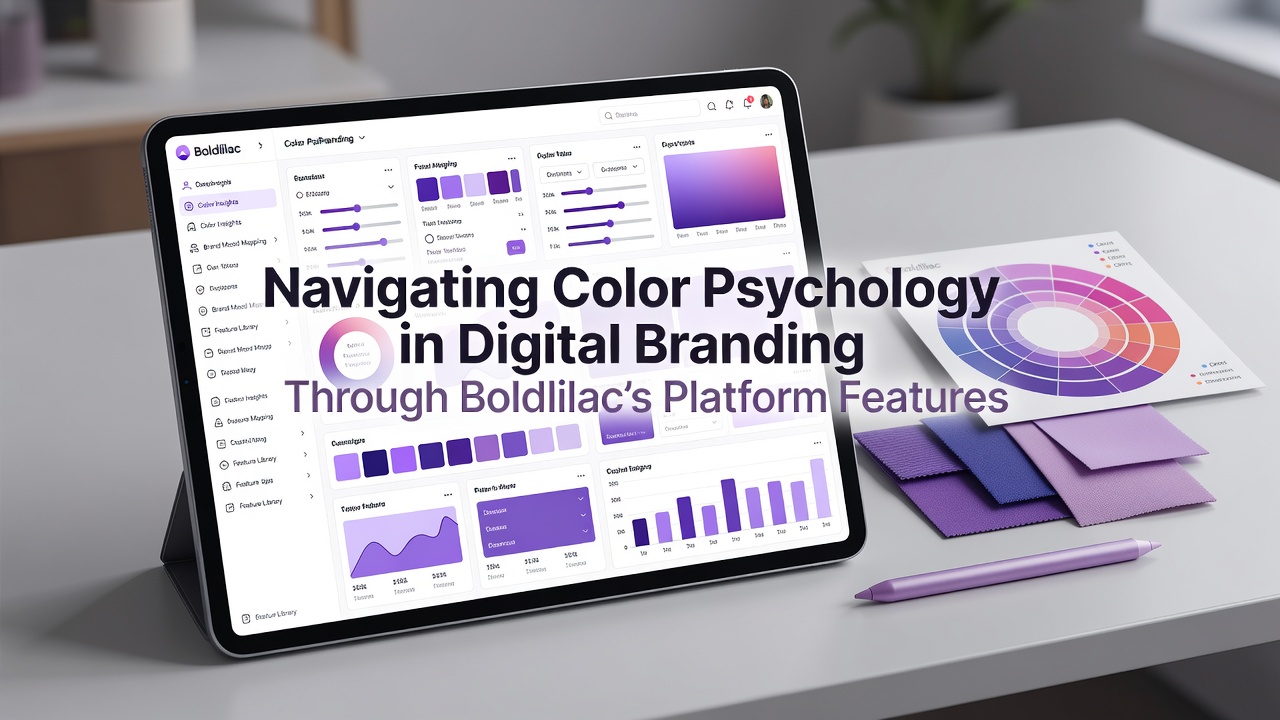
The platform offers a suite of features designed around color selection workflows. One module pulls from established psychological frameworks to propose palettes that align with desired brand attributes, such as energy or reliability. Users input brand descriptors and receive outputs backed by references to peer-reviewed work, then they can export these for use in design software or campaign assets. Another component tracks real-time performance by connecting to analytics feeds, revealing how color changes correlate with metrics like dwell time or conversion rates.
In September 2026, Boldlilac rolled out an update that expanded its database with fresh data sets from Asian markets, broadening the range of cultural references available for global campaigns. This addition lets teams compare how the same hue performs in different regions, supporting more precise adjustments. The feature set also includes collaboration layers where multiple stakeholders review palette options alongside embedded citations from relevant studies.
Integration With Broader Branding Workflows
Many organizations incorporate Boldlilac into existing design pipelines because the tools interface directly with common platforms for asset management and A/B testing. Data shows improved consistency when teams apply these features early in the process, before final assets reach production. For example, one case documented by industry analysts involved a retail brand that used the platform to refine accent colors on its website, resulting in documented shifts in user retention figures according to internal reports.
Additional modules support accessibility considerations by flagging combinations that may affect readability for users with visual impairments, drawing on guidelines from regulatory bodies in the European Union and the United States. This ensures color choices meet both psychological and functional standards without requiring separate compliance checks. Teams can generate reports that summarize these evaluations alongside performance projections.
Evidence From Applied Research and Platform Outcomes
Academic sources such as those linked through the Australian Psychological Society provide foundational data on emotional responses to color, which Boldlilac incorporates into its suggestion engine. Similarly, findings from Canadian university research on digital interfaces inform the platform's testing protocols. Users report streamlined decision-making when these elements combine, since the system surfaces relevant statistics during the selection phase rather than after launch.
Another layer involves predictive modeling that simulates audience reactions based on historical campaign data. This modeling draws from aggregated figures across sectors, helping identify palettes that balance brand identity with response patterns. Observers have noted that such capabilities reduce iteration cycles, as teams receive quantified guidance instead of broad directional advice.
Conclusion
Boldlilac's platform features organize established research on color psychology into accessible digital tools that support branding decisions across multiple touchpoints. Through palette generation, performance tracking, and accessibility checks, the system translates academic and industry data into actionable outputs for teams working on digital campaigns. Updates like those introduced in September 2026 continue to expand the scope of available references, maintaining alignment with evolving findings from global sources.